
Collection Summary.
There are literally thousands of different hazardous materials used in the workplace. Cleaners, adhesives, paints, solvents, pesticides, inks, lubricants and fuels are just some examples. Other substances that can be generated in workplace activities include chemical by-products, vapours and dusts.
Who's it for?
This collection of safety video content is organized around managing the risks of hazardous substances, and is suitable for teams on a case-by-case basis.
Ready to Get Started?
Create an account and get started using OSHA Videohub, with full access to all 300+ videos in English and Spanish.
Subscribe NowBrowse Other Categories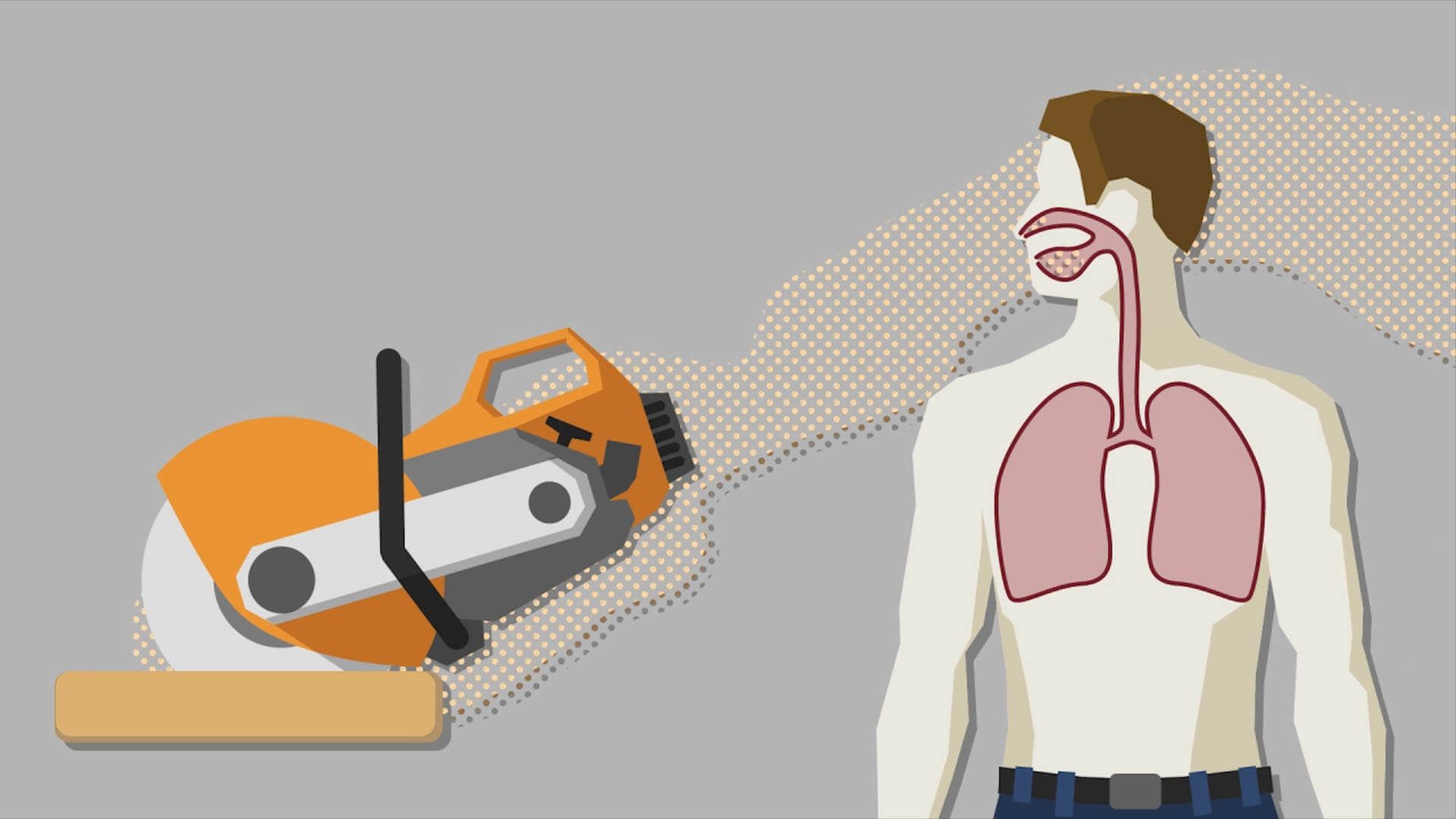
Silica Dust Awareness
Silica - or silicon dioxide - is one of the most common minerals in the earth and can be found in many stone and concrete products.

Transportation of Dangerous Goods
The purpose of this training program is to present a clear overview of the subject and address dangerous goods classes, identification of safety marks, how to read the schedules, means of containment, labelling and documentation requirements.
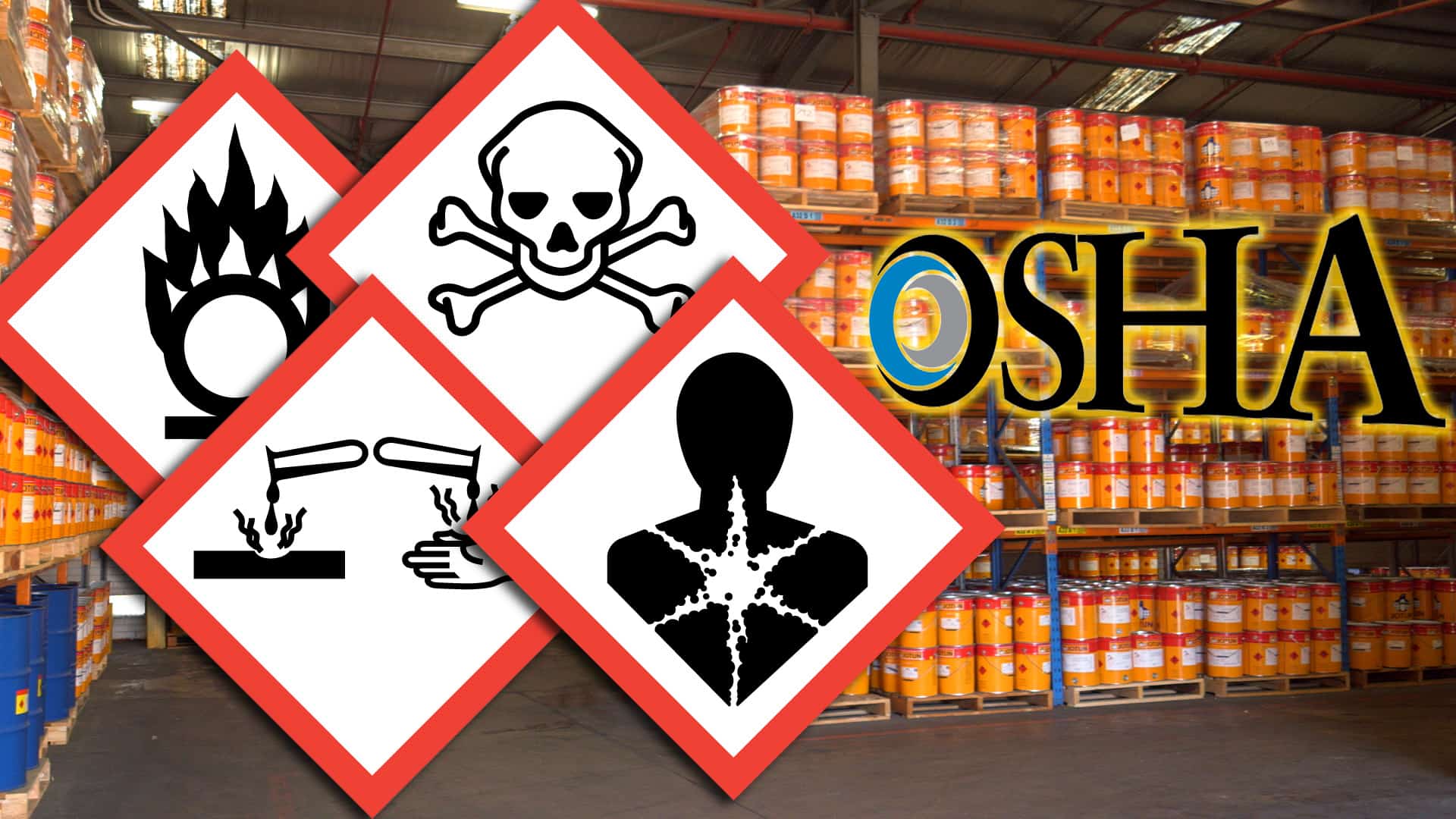
The Hazard Communication Standard (HAZCOM)
The Hazard Communication Standard is an information and training standard for the use of hazardous chemicals in the workplace. This program covers how HCS works, the new classification criteria, label requirements, pictograms, and Safety data sheet requirements.
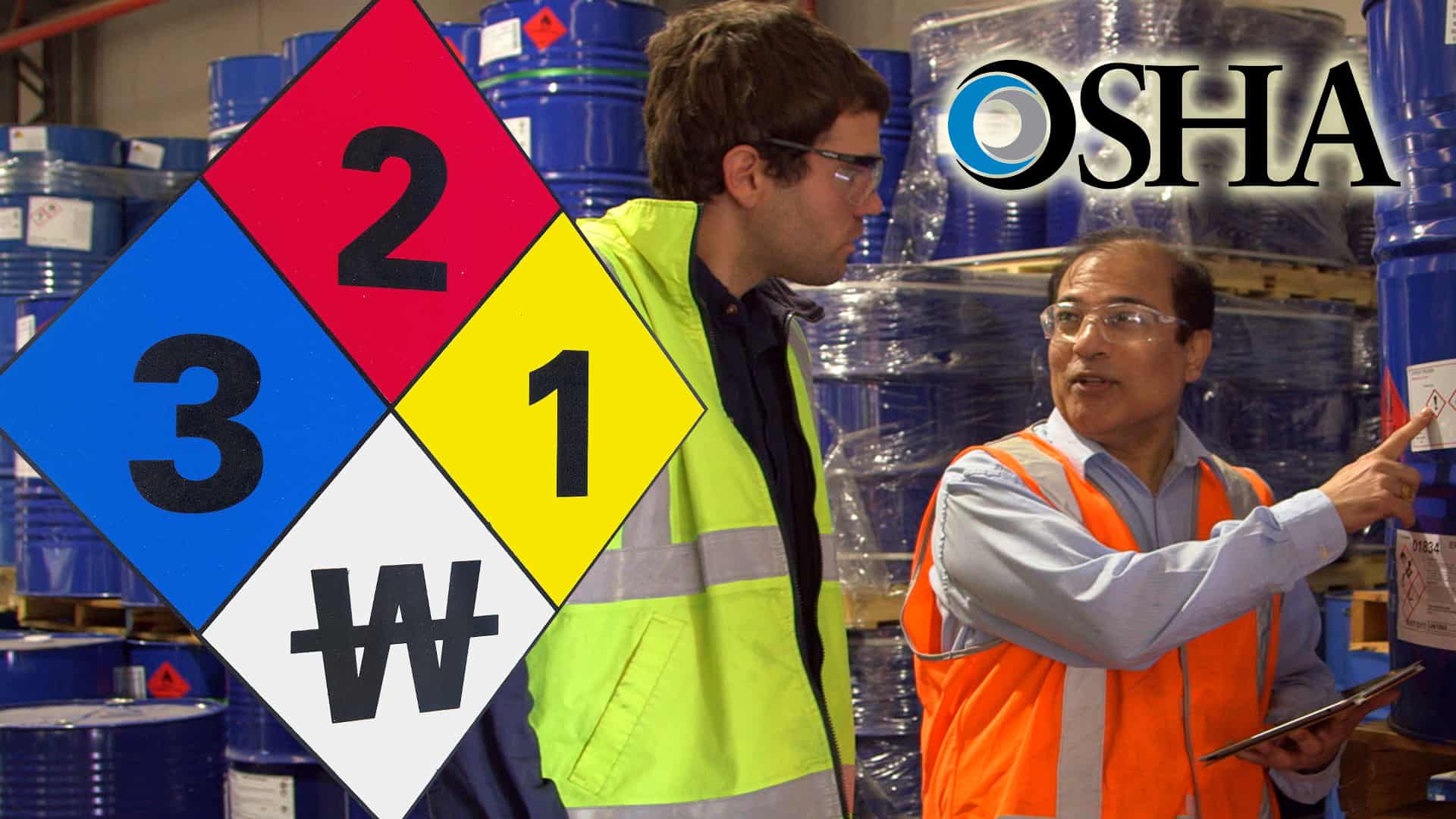
HAZCOM 1994 Safety Training
HAZCOM 1994 is an information and training standard relating to the use of hazardous chemicals in the workplace. This video program covers the how HAZCOM works, hazards associated with chemicals, labelling and material Safety Data Sheets.
WHMIS 2015
Hazardous chemicals in the workplace can pose a multitude of hazards and risks. The WHMIS 2015 Training Video provides training on proper chemicals labelling and the importance of effective understanding of the labels and SDSs for workers.
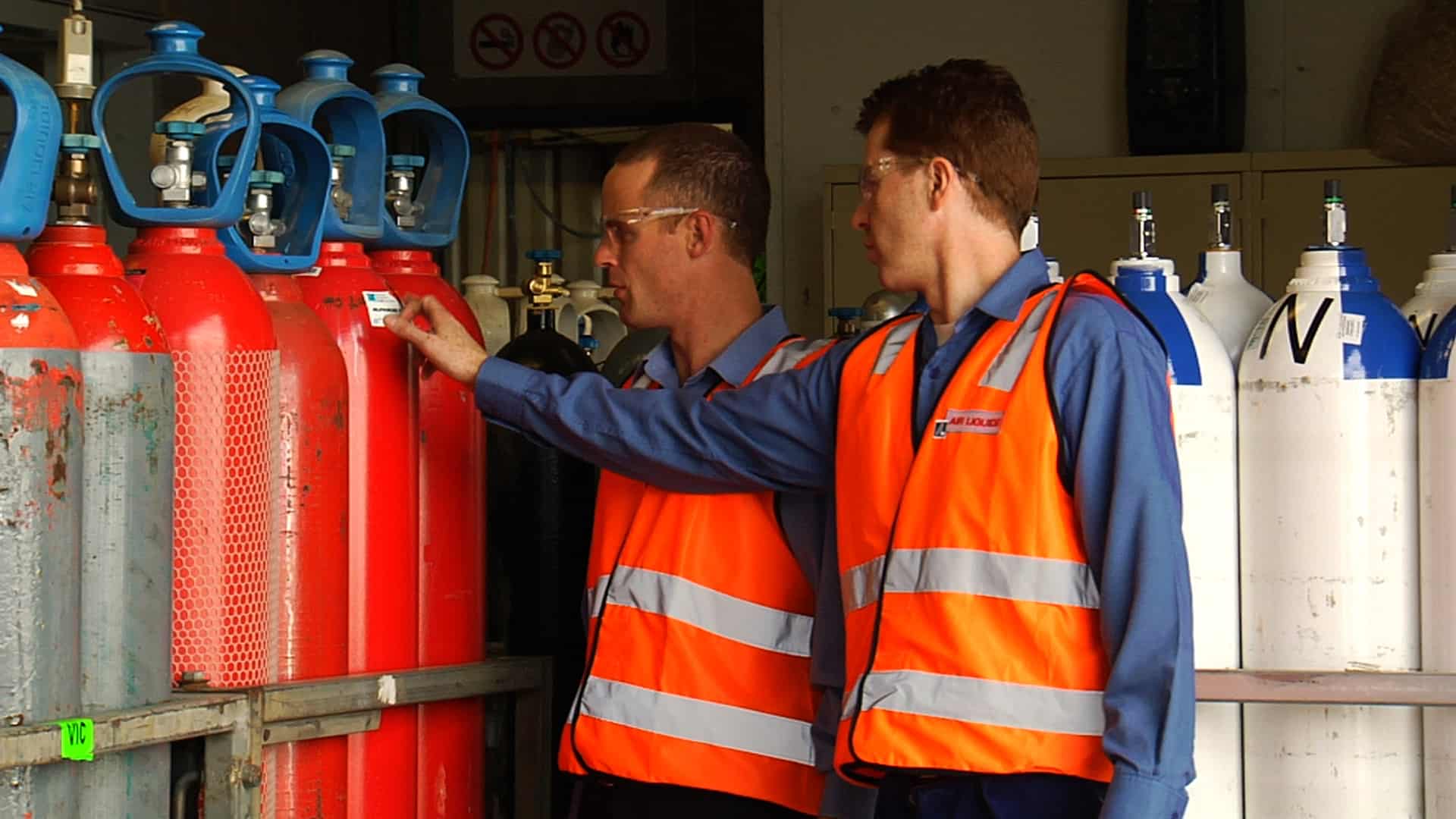
Gas and Cylinder Safety
This safety training program covers the hazards associated with gas bottles and cylinders. Knowledge of the use of Safety Data Sheets, safe work procedures, storage and handling will ensure the safety of all concerned with compressed gas cylinders.
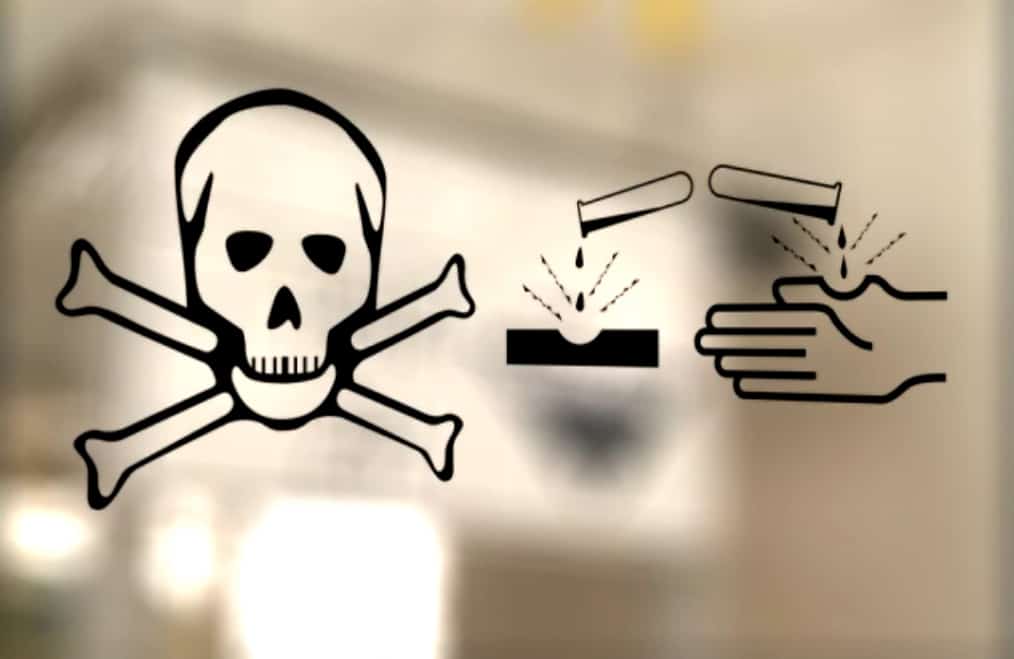
Hazardous Substances – The Fundamentals
The objective of this program is to highlight the major hazard areas associated with the use of hazardous substances and by so doing, increase awareness of the standards for worker responsibility in observing and being active in daily safety procedures.
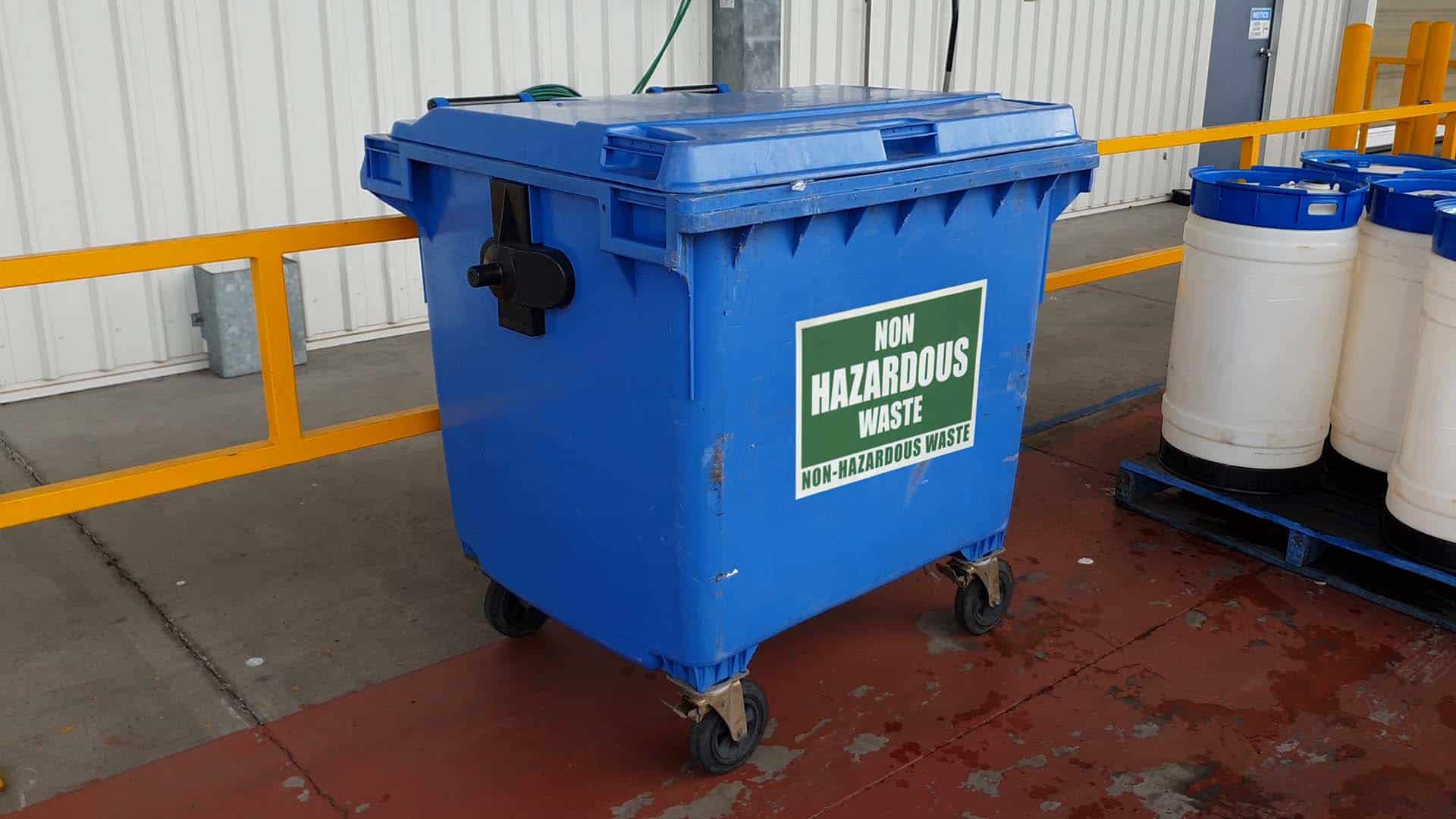
Waste Management
This General Waste Management Safety Program examines methods for classifying various kinds of waste and how best to track and ultimately dispose of them. Topics in the program include waste classification, waste disposal and waste manifests.
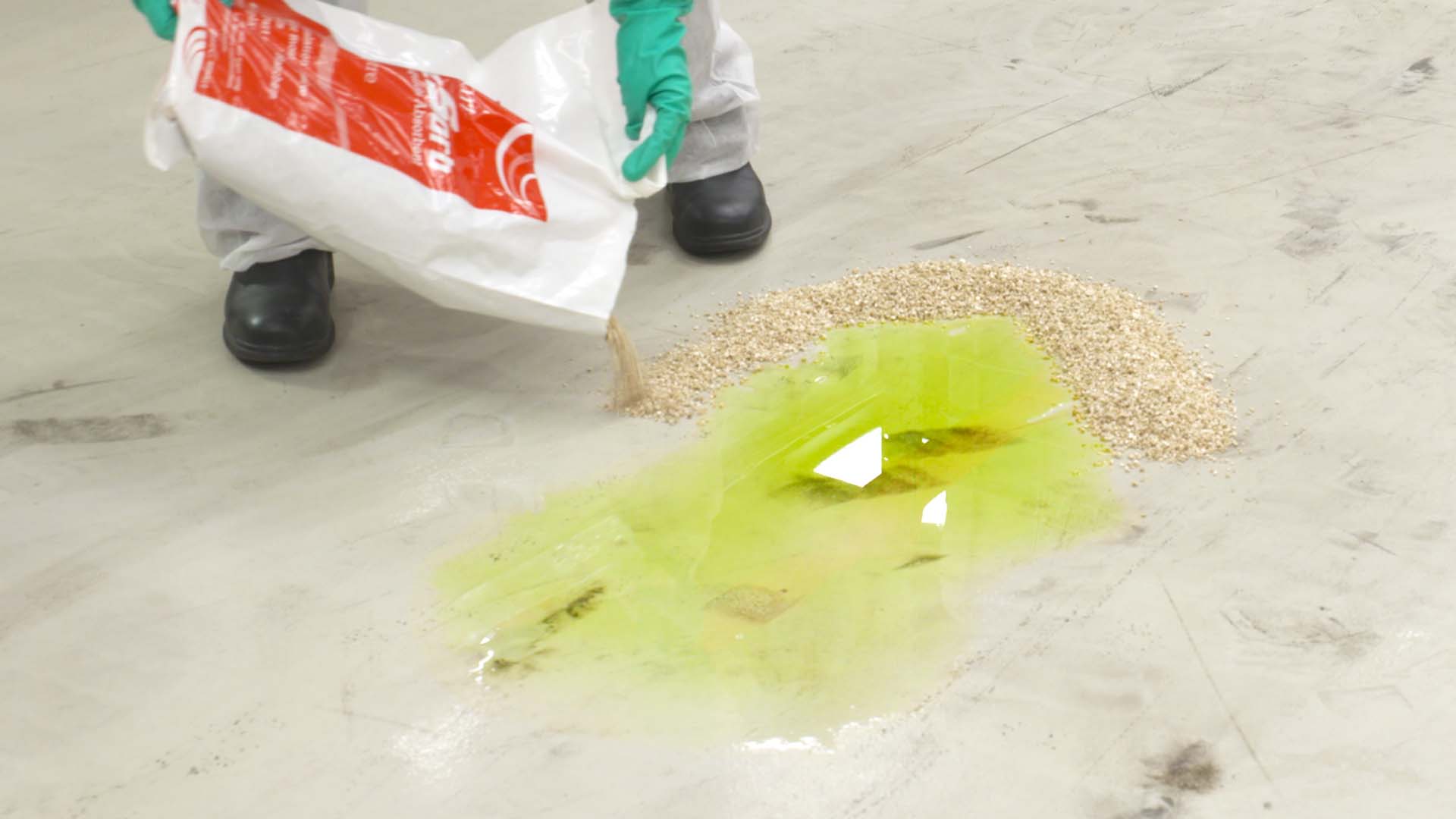
Spills – Prevention and Management
Spills are an ever-present hazard in many workplaces. By having a clear spill prevention plan, the threat spills pose can be reduced to an absolute minimum. This program examines the effects spills can have as well as methods for prevention and clean up.
Safety Data Sheets – An Introduction
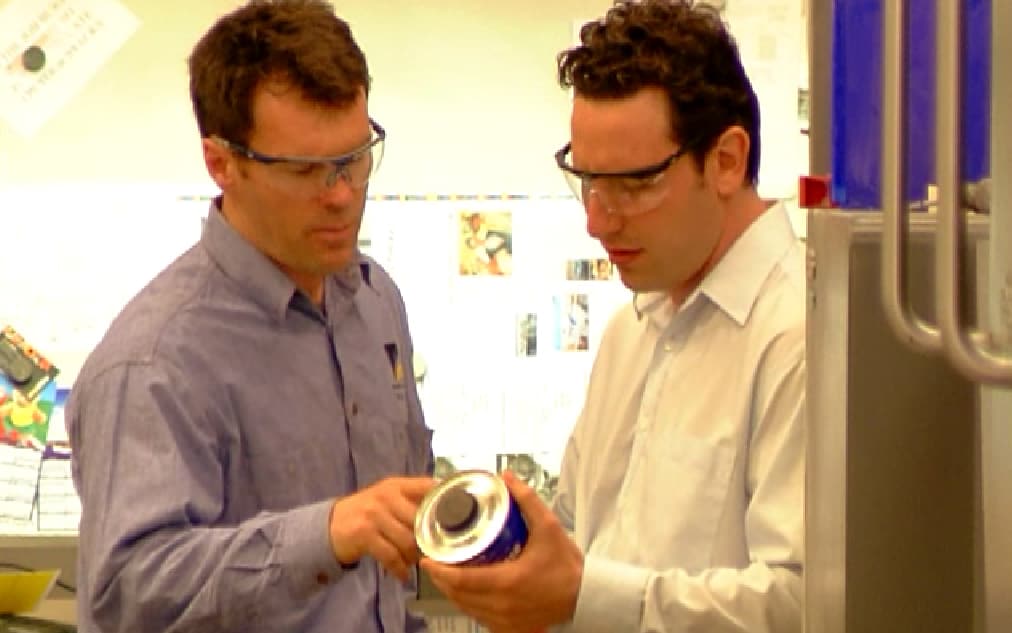
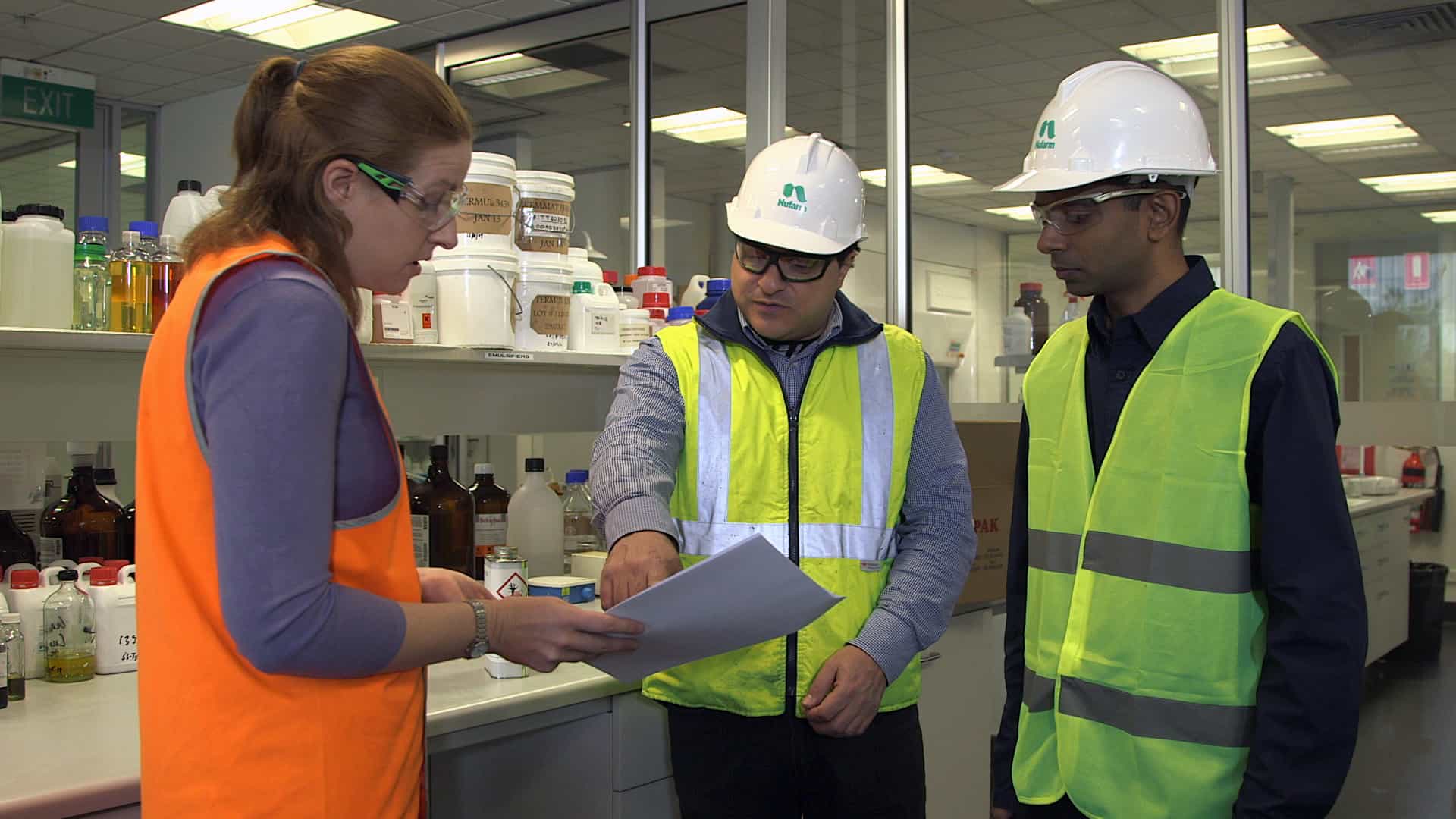
This program helps trainees to properly interpret Safety Data Sheets for the use of hazardous substances. This program covers the layout of SDS, Why SDSs are used and a breakdown on the most important safety related sections found in most SDSs.
PPE – An Introduction
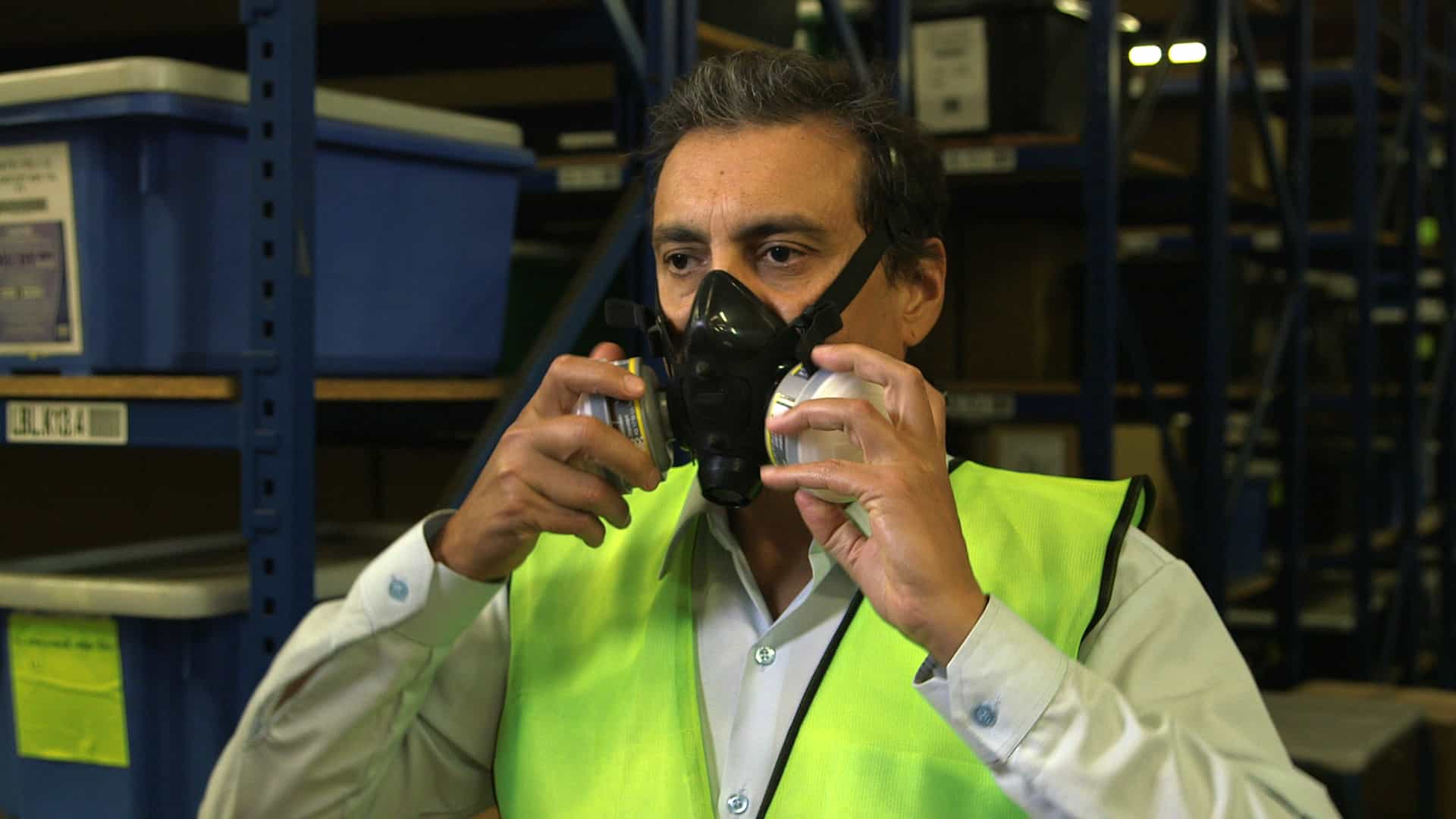
This is a general program suitable for induction or to reinforce the need to wear items of personal protection. This program examines various types of Personal Protective Equipment in detail, including eye, face, head, ears and respiratory protection.

Environmental Awareness
Knowing how your workplace affects the environment and how you can prevent environmental damage from your work creates a more eco-friendly workplace. Topics in this program include Climate Change, Emissions, Waste management and Pollution.
Chemical Safety
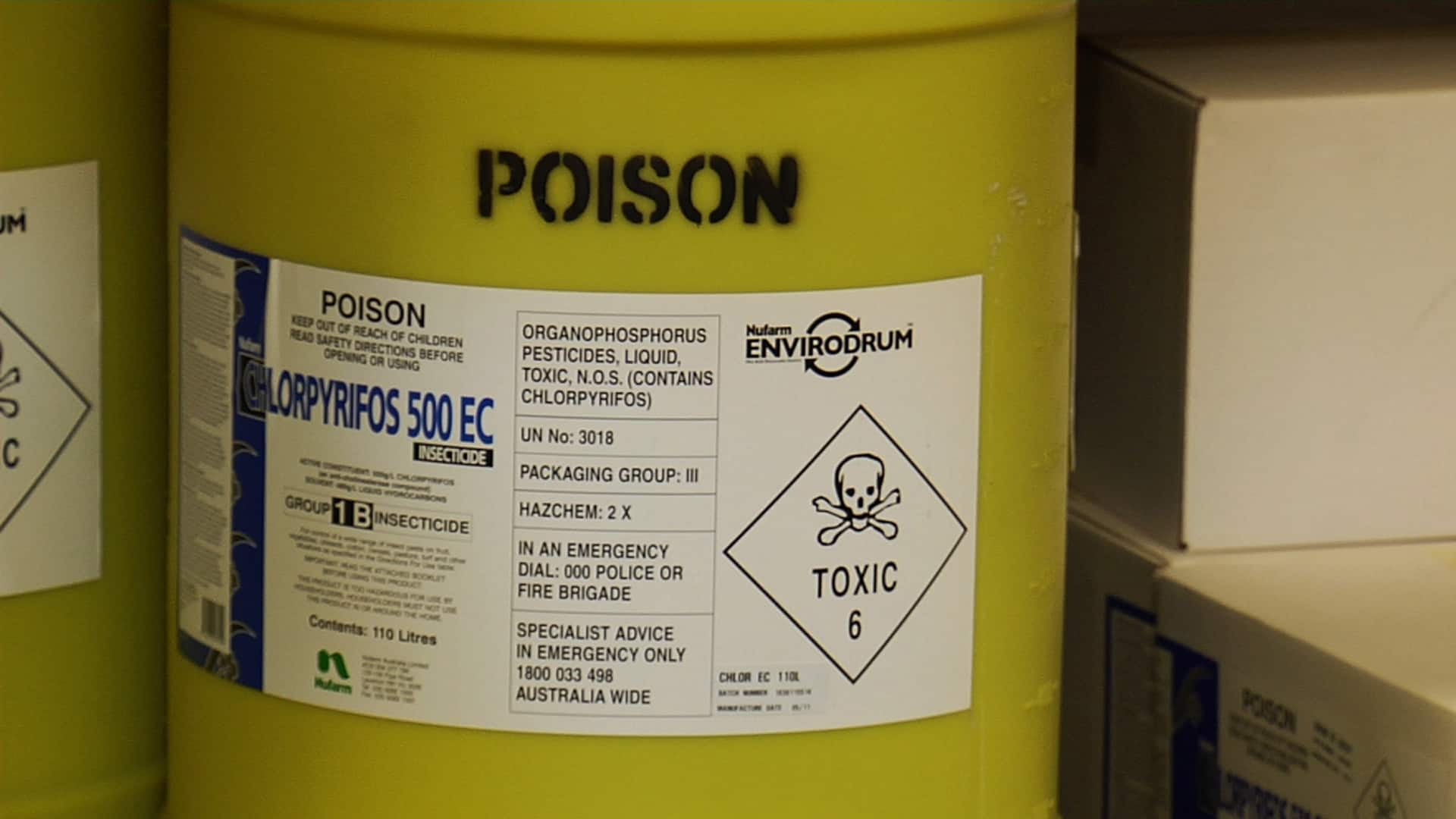
The safe handling and storage of all chemicals requires a commitment by everyone to follow safe work procedures. The realization of the risks and an ongoing program to minimize the hazards will reduce accidents and make your workplace a safer workplace.
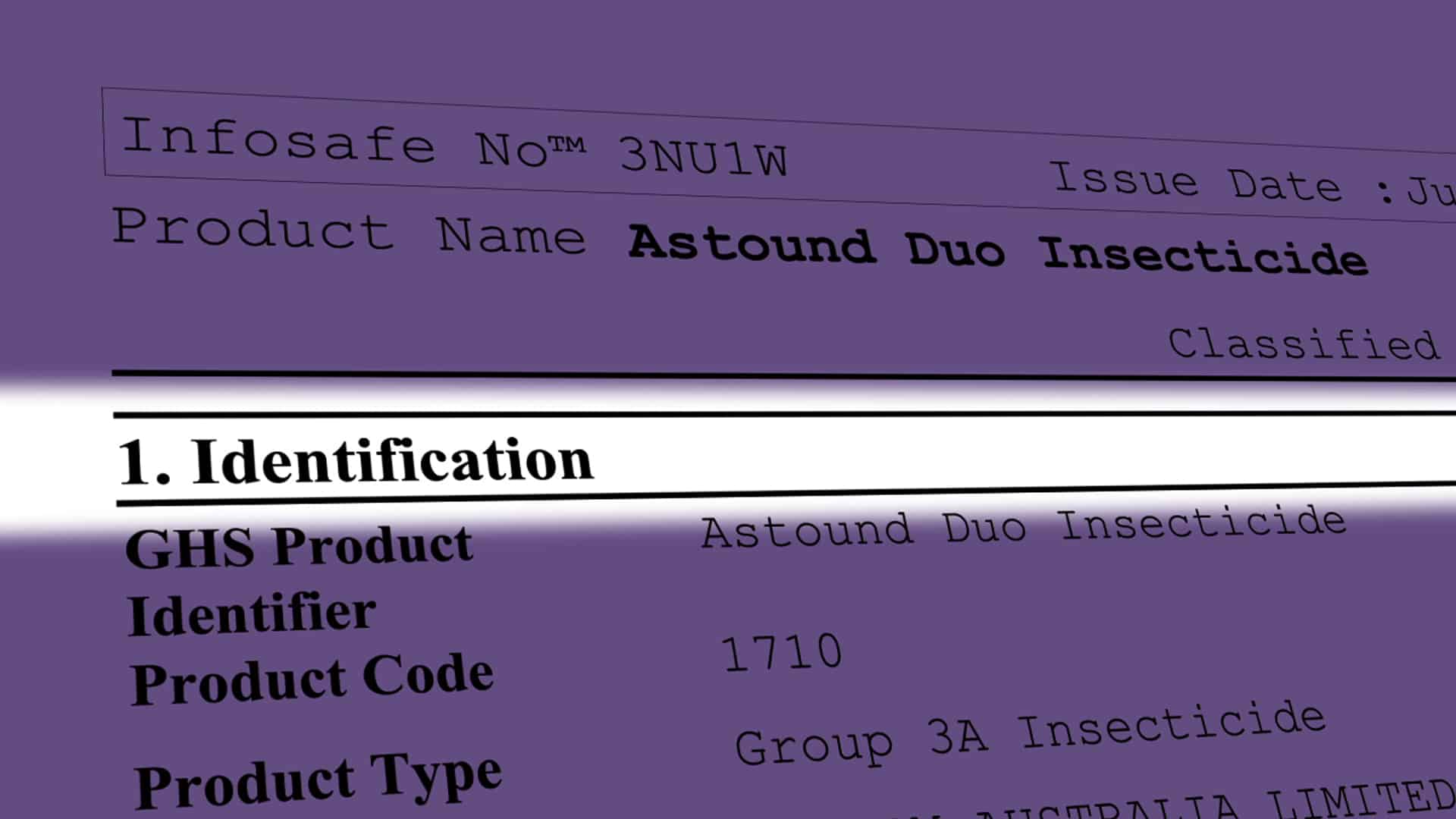
Safety Data Sheets – Important Terms
Safety Data Sheets can be very challenging to read and understand but they do contain a wealth of information. Having an ability to properly interpret them will make it easier to arrive at informed decisions regarding the use of hazardous substances.
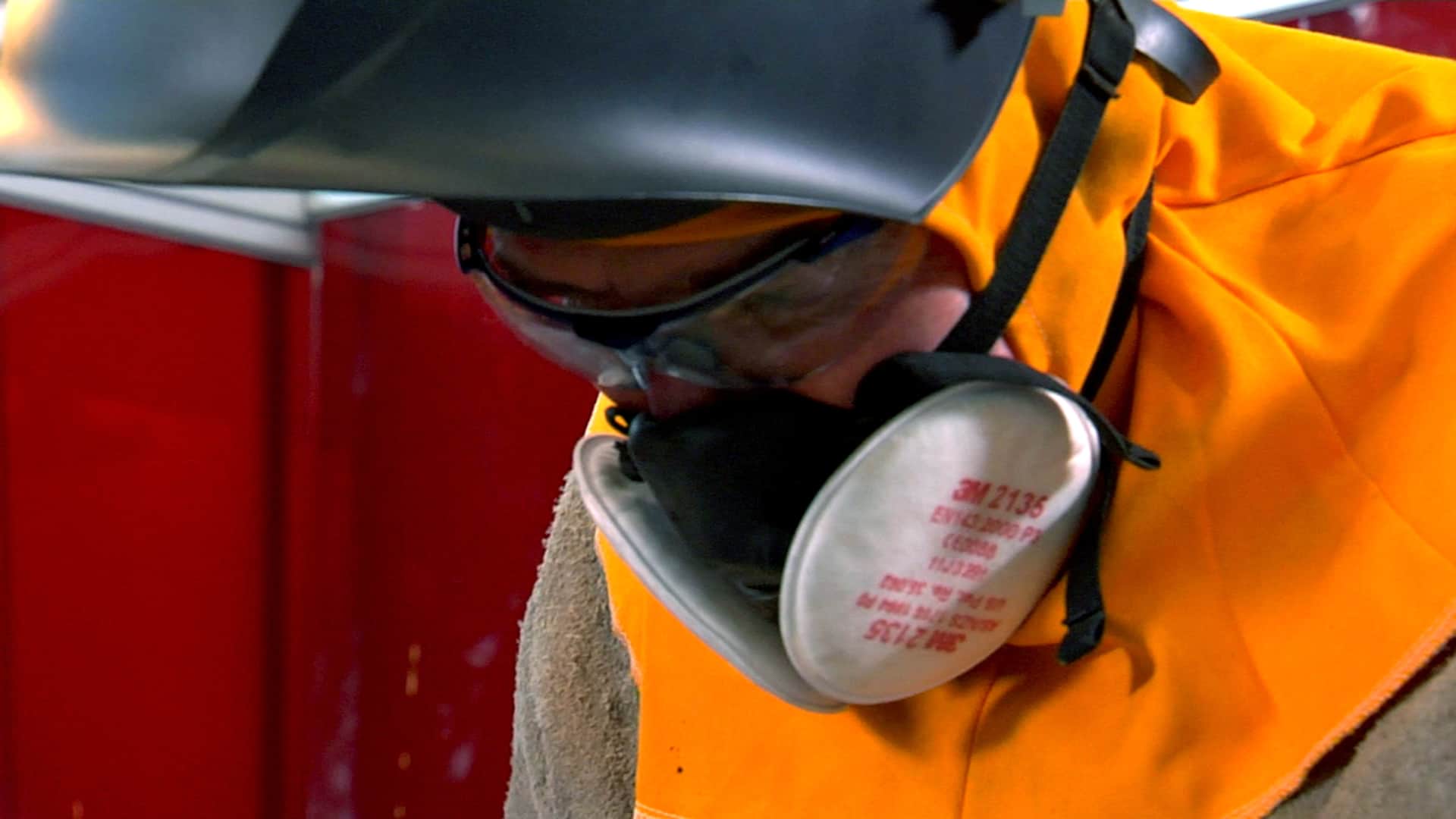
Hazardous Atmospheres and Respirators
The programs covers what constitutes a hazardous atmosphere, information about air-purifying and details of the different types of air-purifying respirators. The program also looks at filters, fit testing of respirators, maintenance, storage, inspection and danger signals.
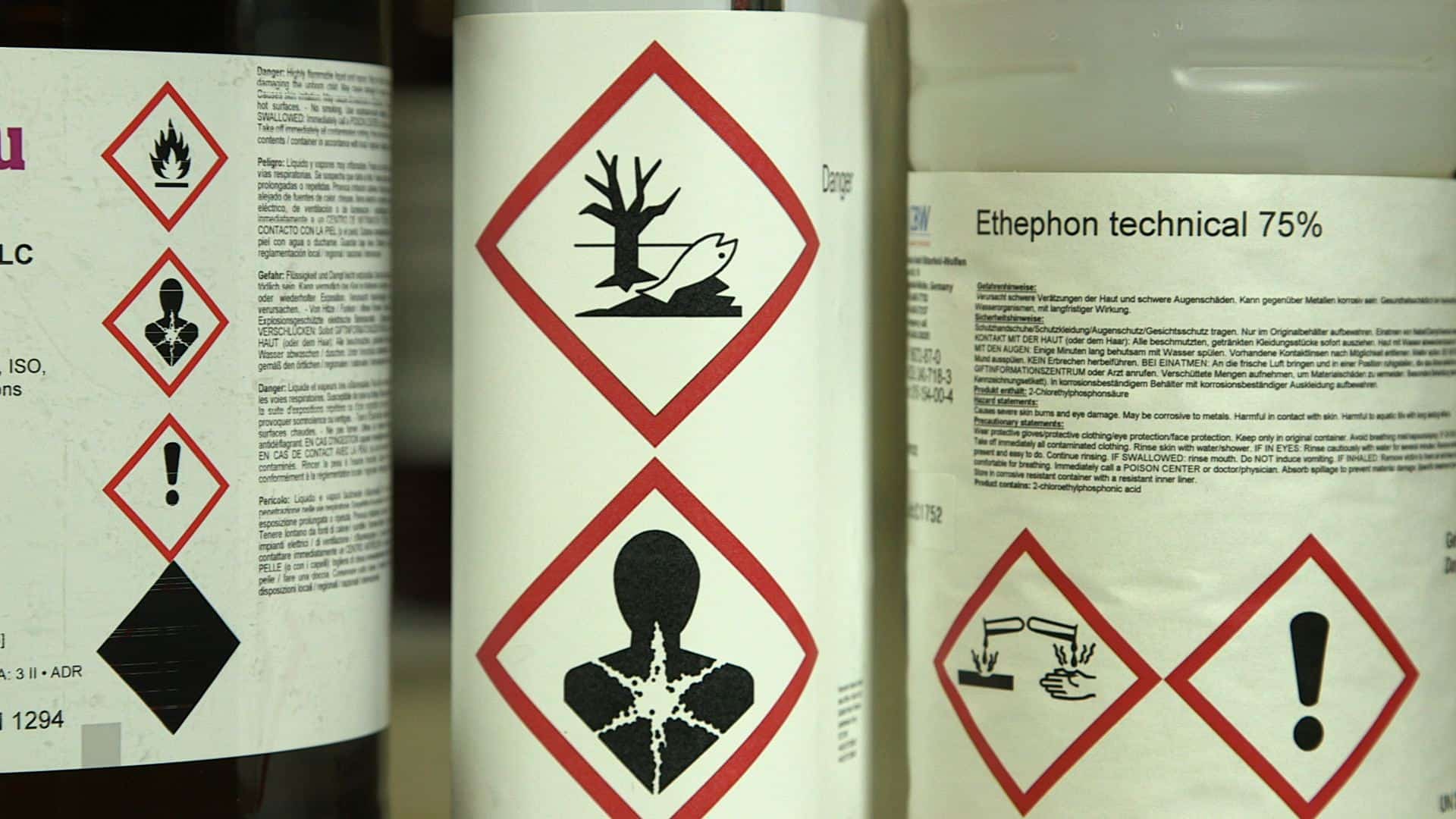
GHS – An Introduction
As your workplace makes the transition to the GHS, this program provides an overview of the Globally Harmonized System of Classification and Labelling of Chemicals, including chemicals classification and hazard communication through labels and safety data sheets.
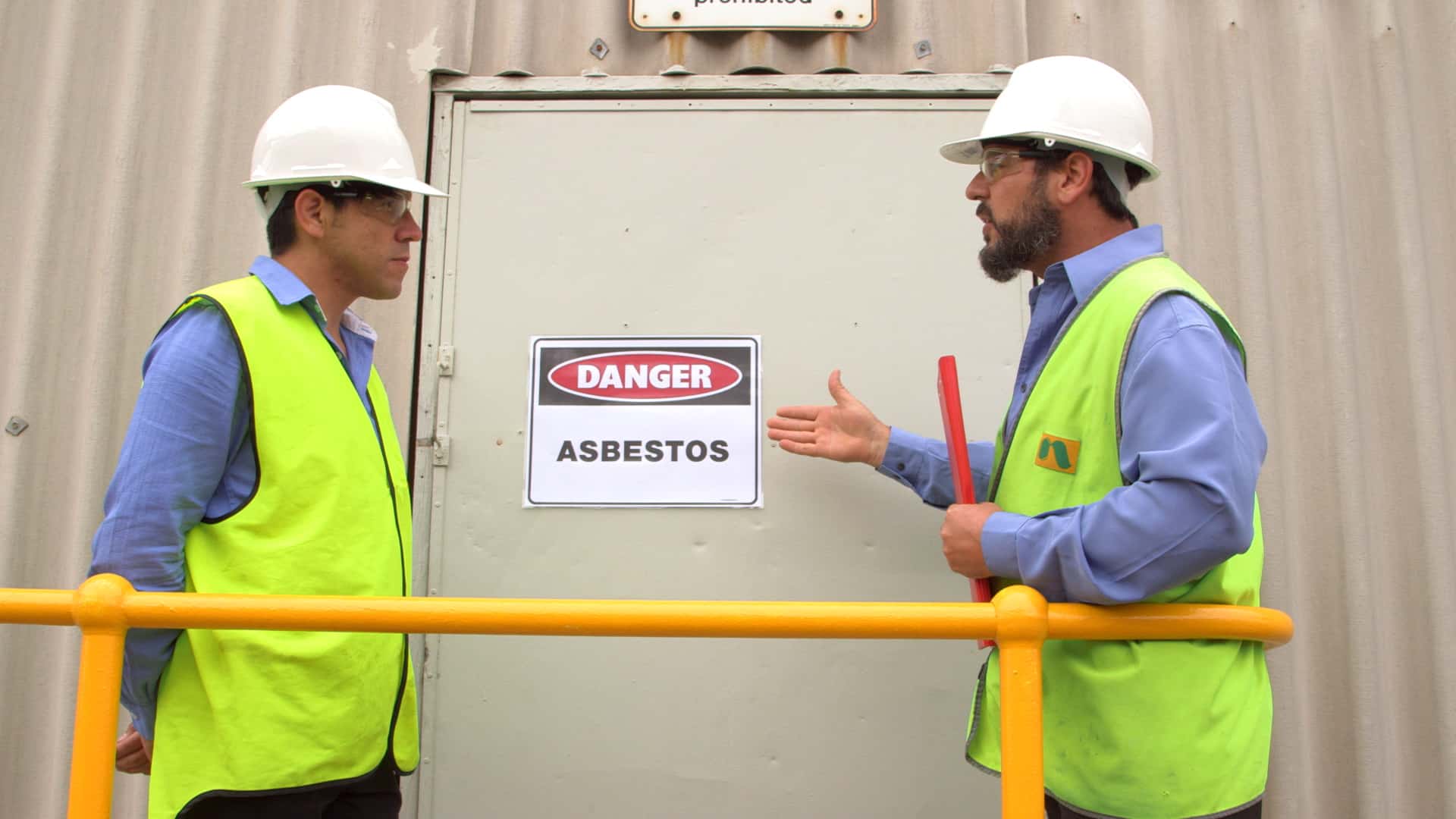
Asbestos Awareness
Asbestos fibers pose a threat to humans – when the fibers are inhaled, they can cause serious damage to the lungs. The Asbestos Awareness program has been produced to be shown to all personnel who may potentially come across asbestos in the workplace.
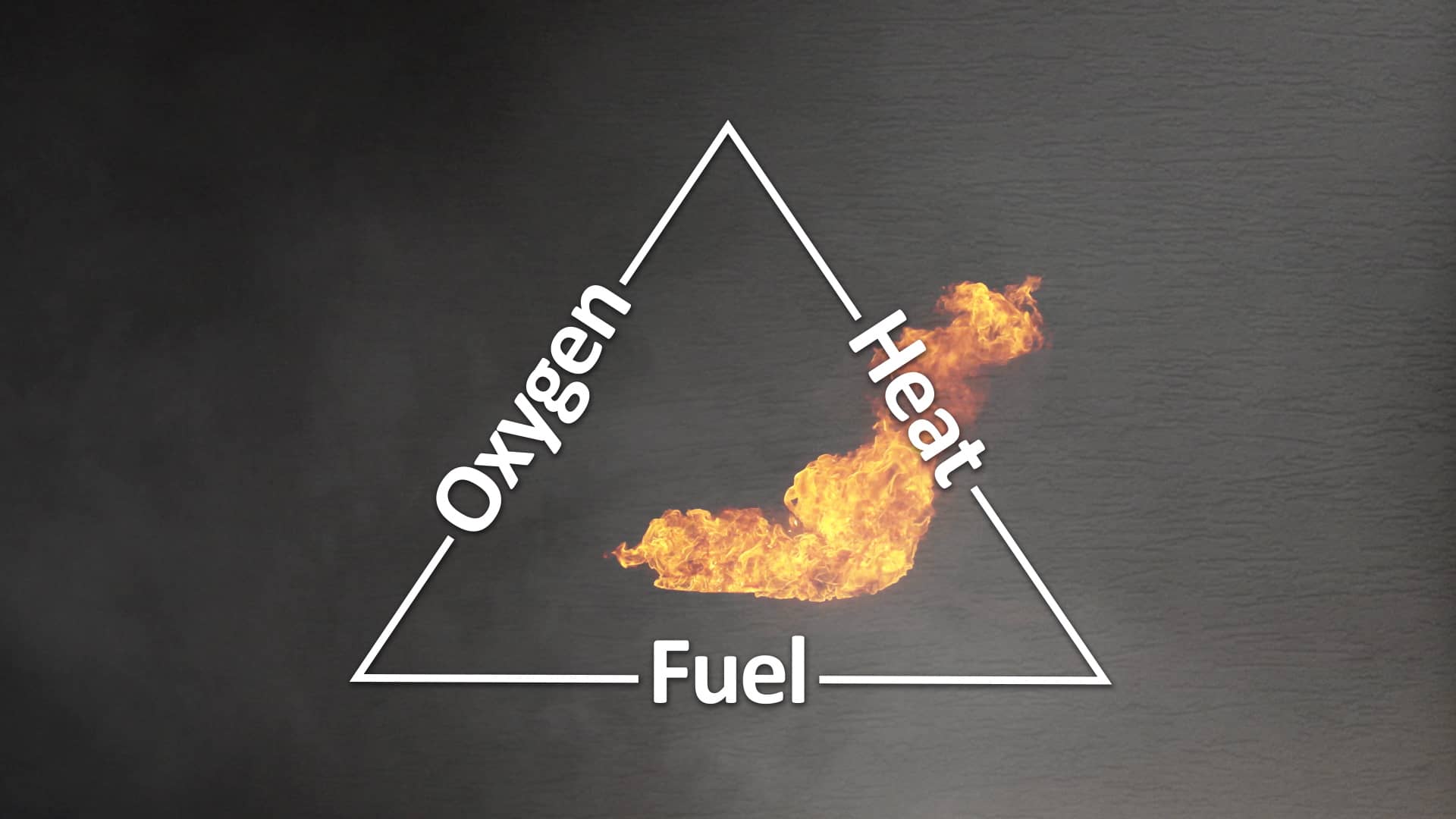
Fire – Facts and Prevention
Following Safe Work Practices lessens the chance of fires and explosions occurring. This program examines scientific facts about how fire and flammable vapors behave as well as procedures that can be implemented to prevent the occurrence of fires.






Subscribe Today
Train your entire organization for only $95/month or $795/year
with unlimited access to over 300 safety videos, expertly crafted by us!
